00 — Why pay attention
Six product hooks
These are the ideas that make GIG more than another interface, controller, or recording app.
Sound without dependency
Analog-first for recording, digital for playback. A self-mixing ecosystem that hits the magnets for real tone before the A/D conversion.
6-DOF Console
A SpaceMouse-style command surface keeps the hand in one place while focus and values change.
Historic input cards
Physical analog capture cards recreate the behavior of historic front ends, consoles, rooms, and session cultures.
Historic output cards
The mix can print through a different analog history: SSL bus glue, RCA room weight, Les Paul overdub energy, or Putnam polish.
Tape buffer
Input or output cards can hit the Tape Cylinder so overload becomes magnetic compression instead of hard digital clipping.
Venue mix translation
The recorded mix can play back at its intended level relationships, then adapt that balance to the room.
01 — Product flow
How GIG works
GIG starts with the musician, then connects the band, capture path, playback path, and command surface into one operating language.
01
Rig
Each musician has their own Rig: sounds, effects, patches, in-ear monitor mix, playback, talkback, sheet music, and instrument or microphone input.
02
Networked Band Session
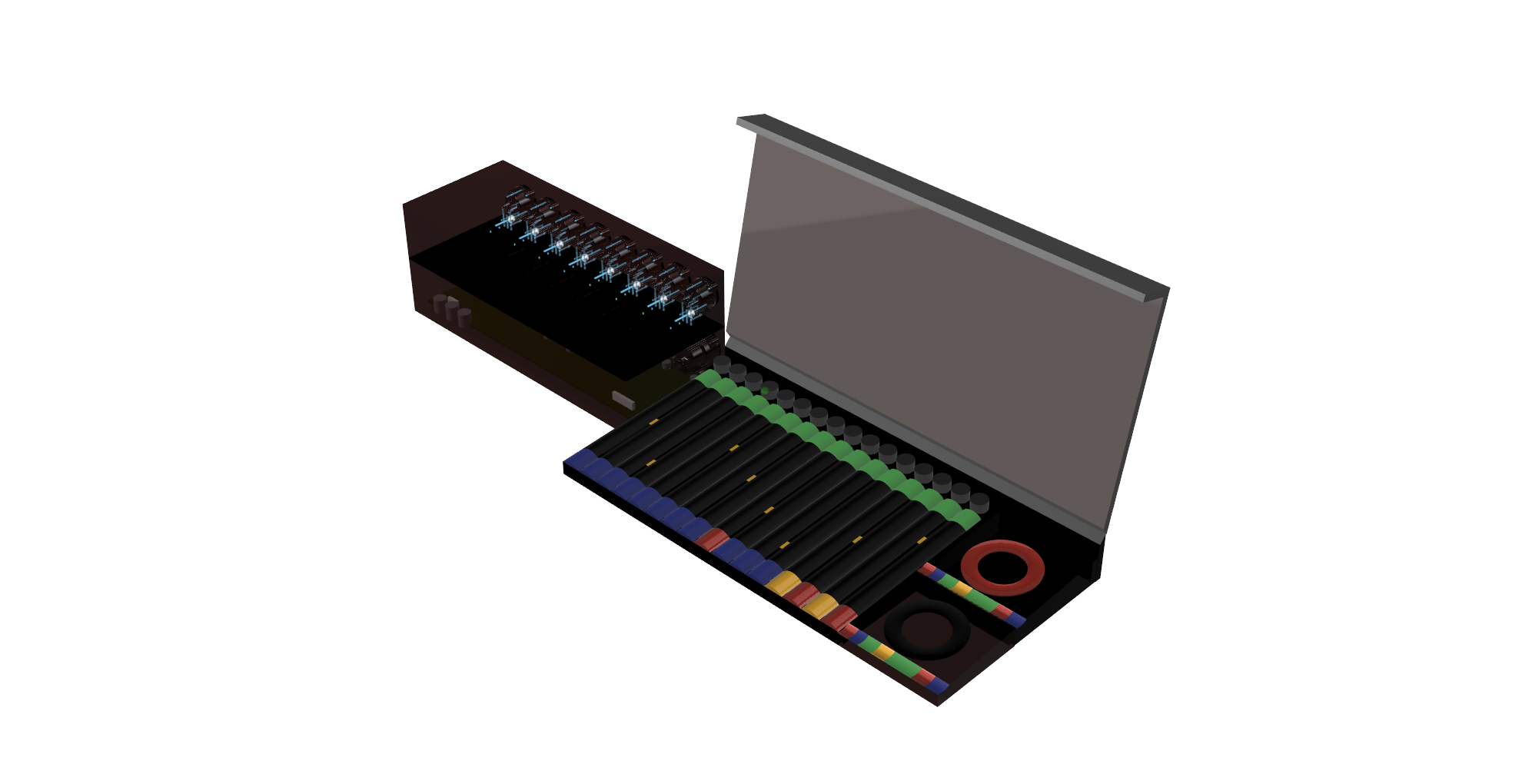
The Rigs plug together by network cable. Everyone can hear the session, share playback, and build their own personal mix while still staying inside one shared environment.
03
Record Through Cube
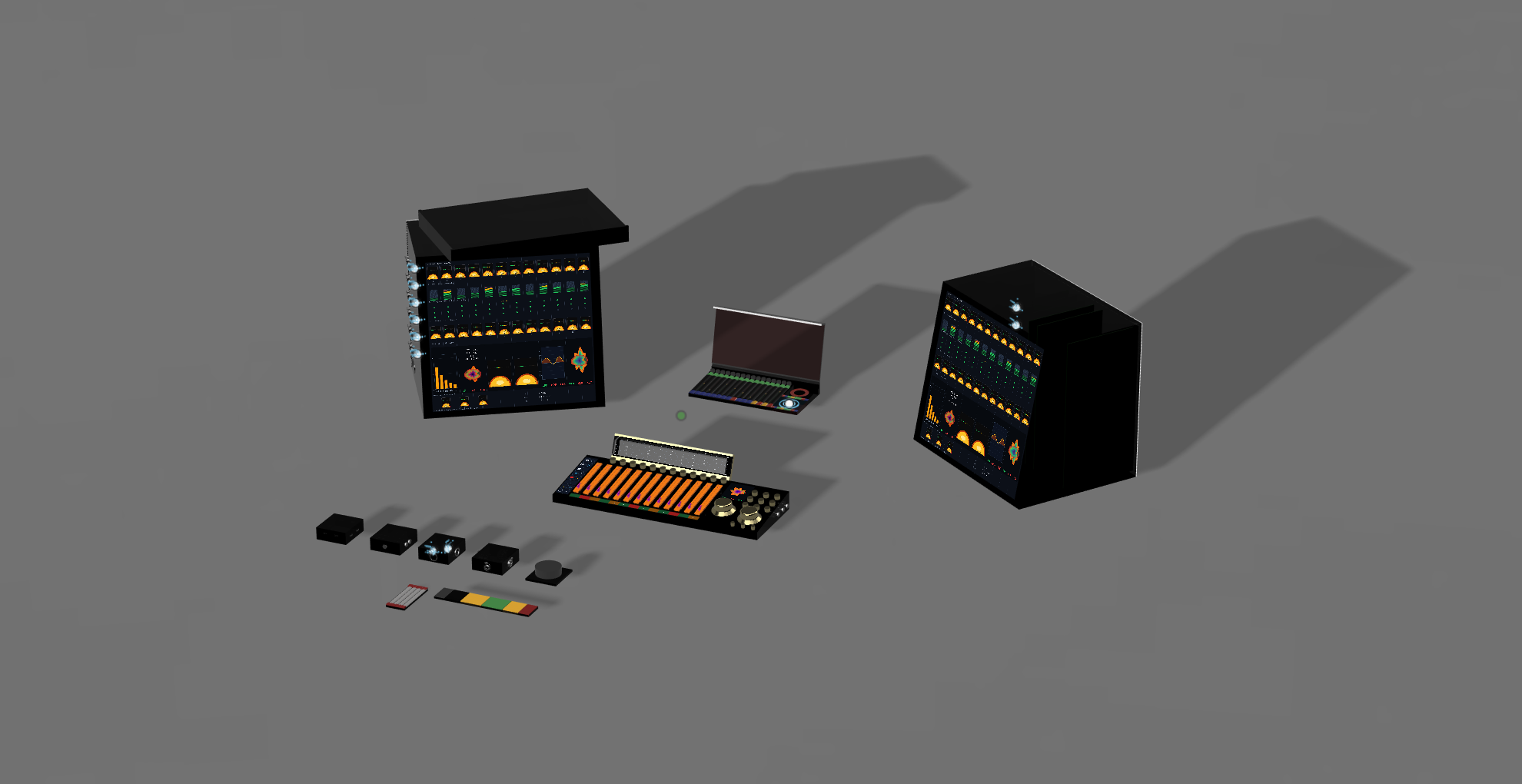
Cube is the simple modular path: fast setup, smaller I/O nodes, and the same operating language without the full rack footprint.
04
Or Record Through Racks
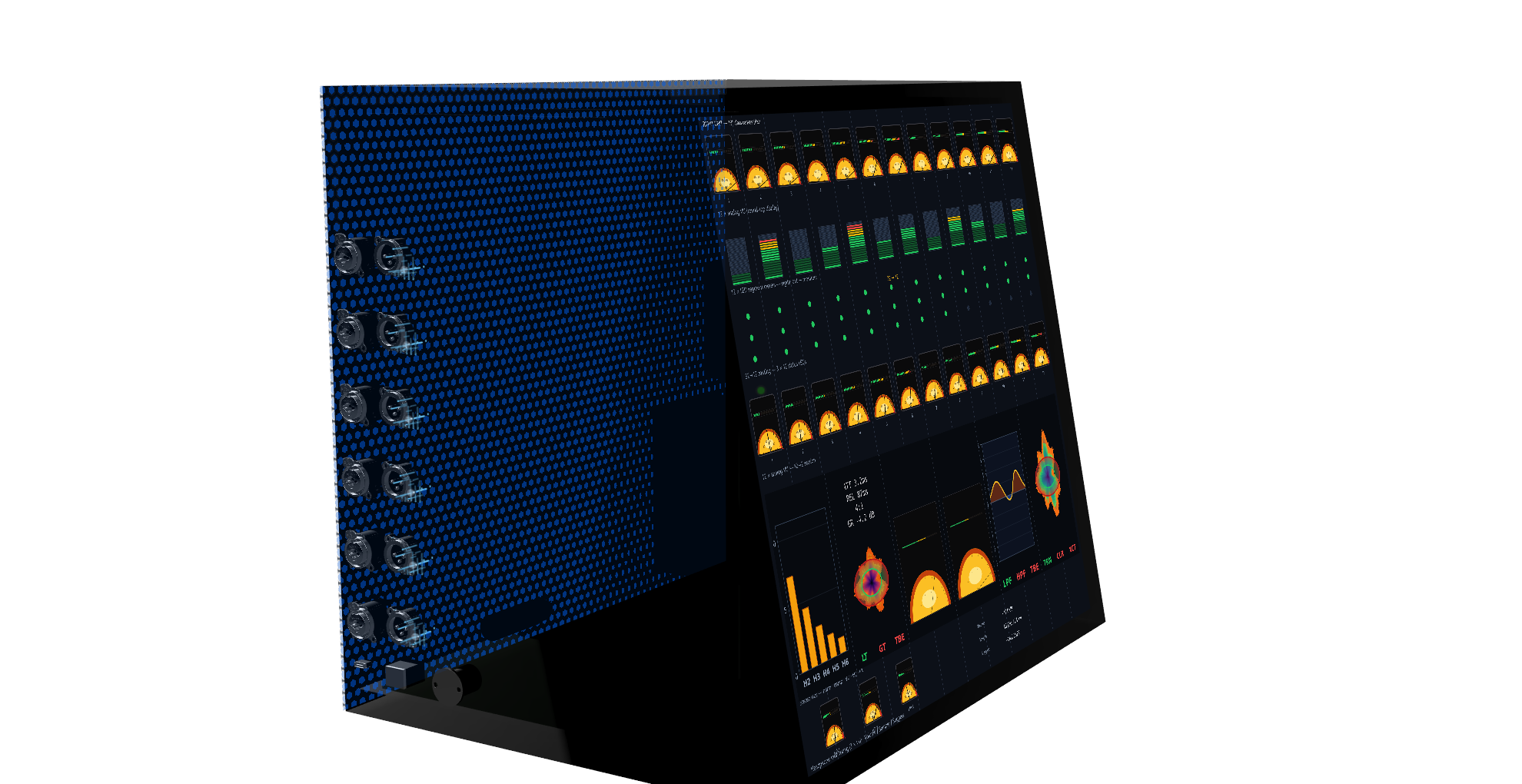
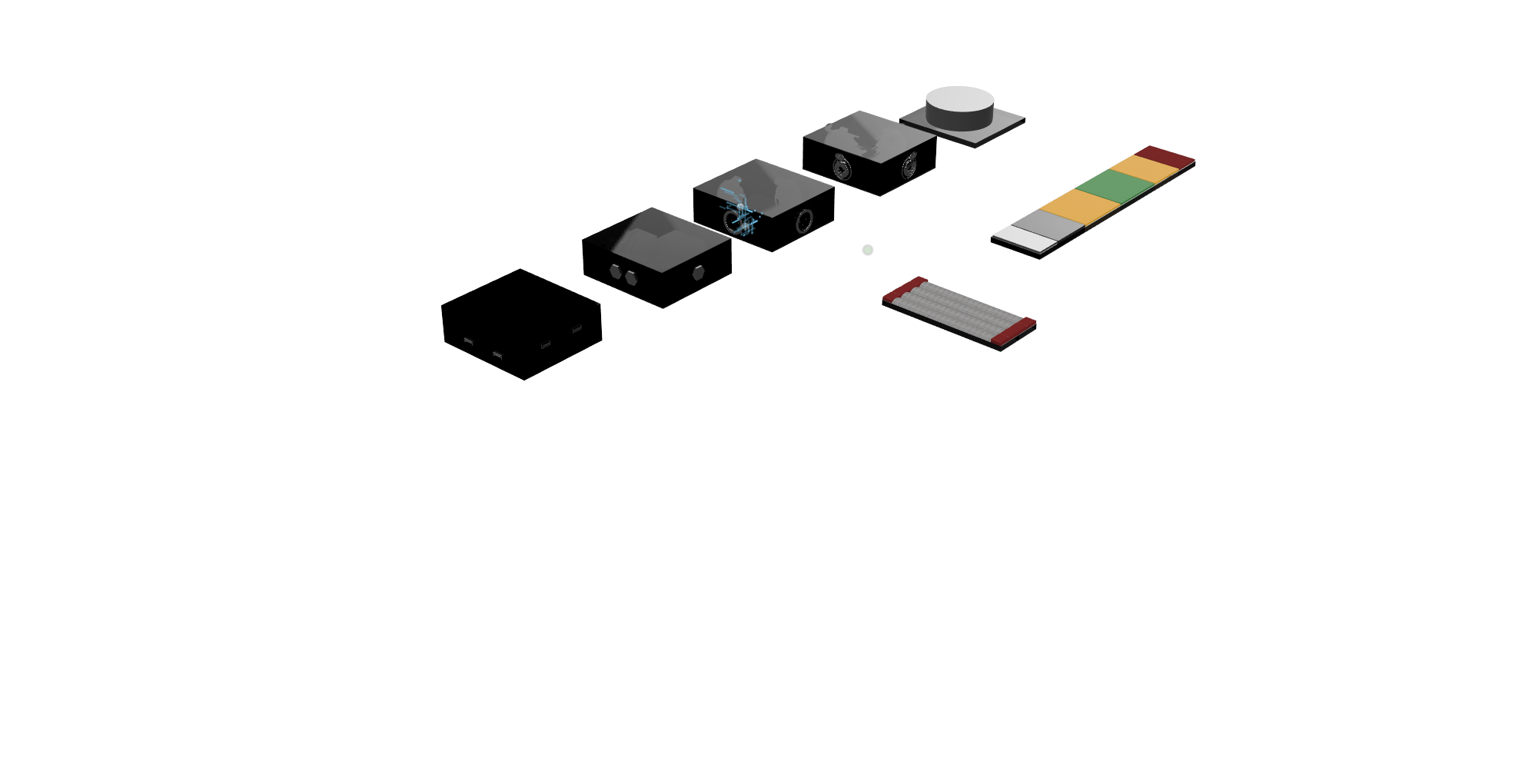
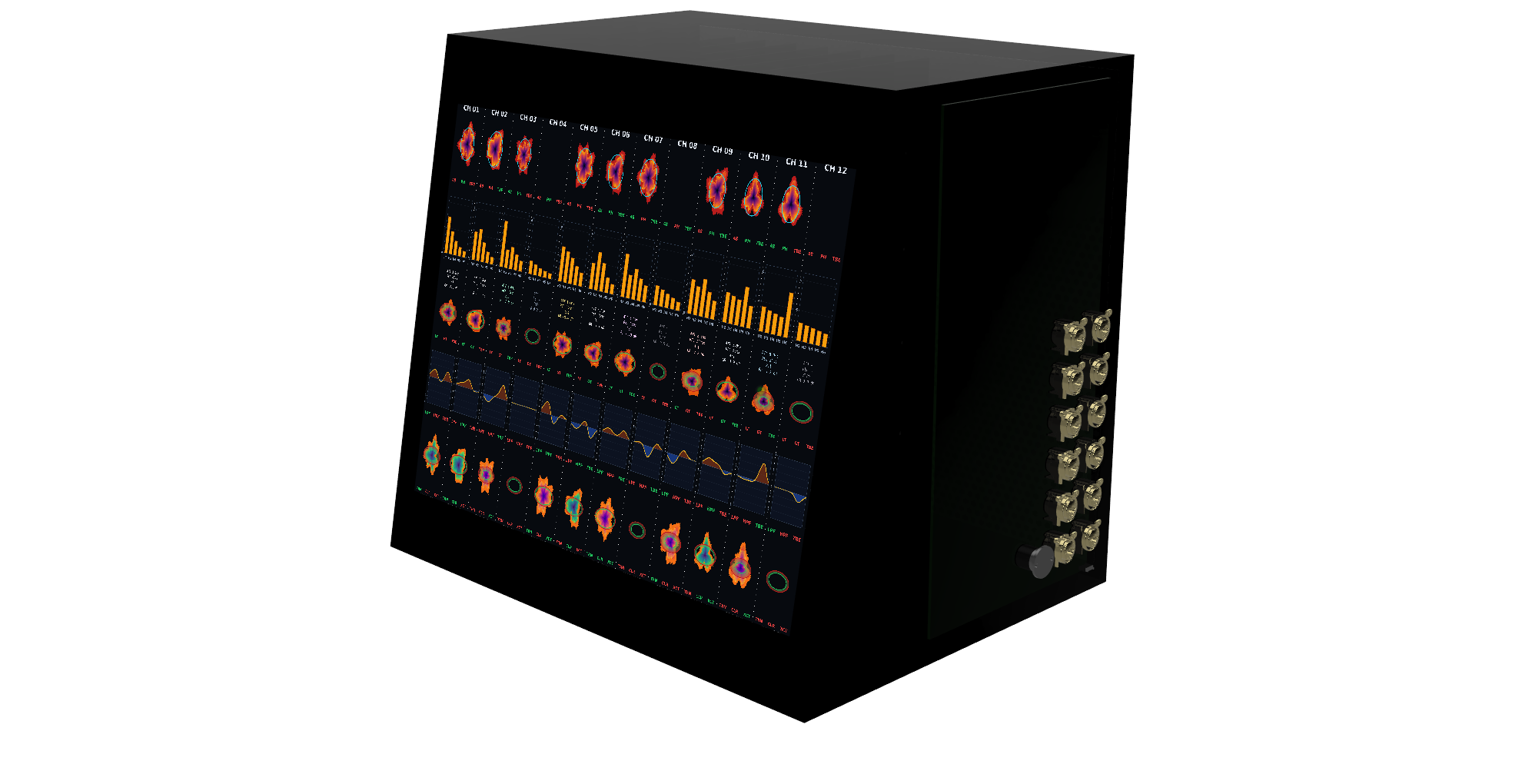
Racks are the premium path: two touchscreen-faced analog frames with historic input cards, output/print cards, Tape Cylinder routing, summing, monitoring, and serious studio capture.
05
Play Back Through Venue
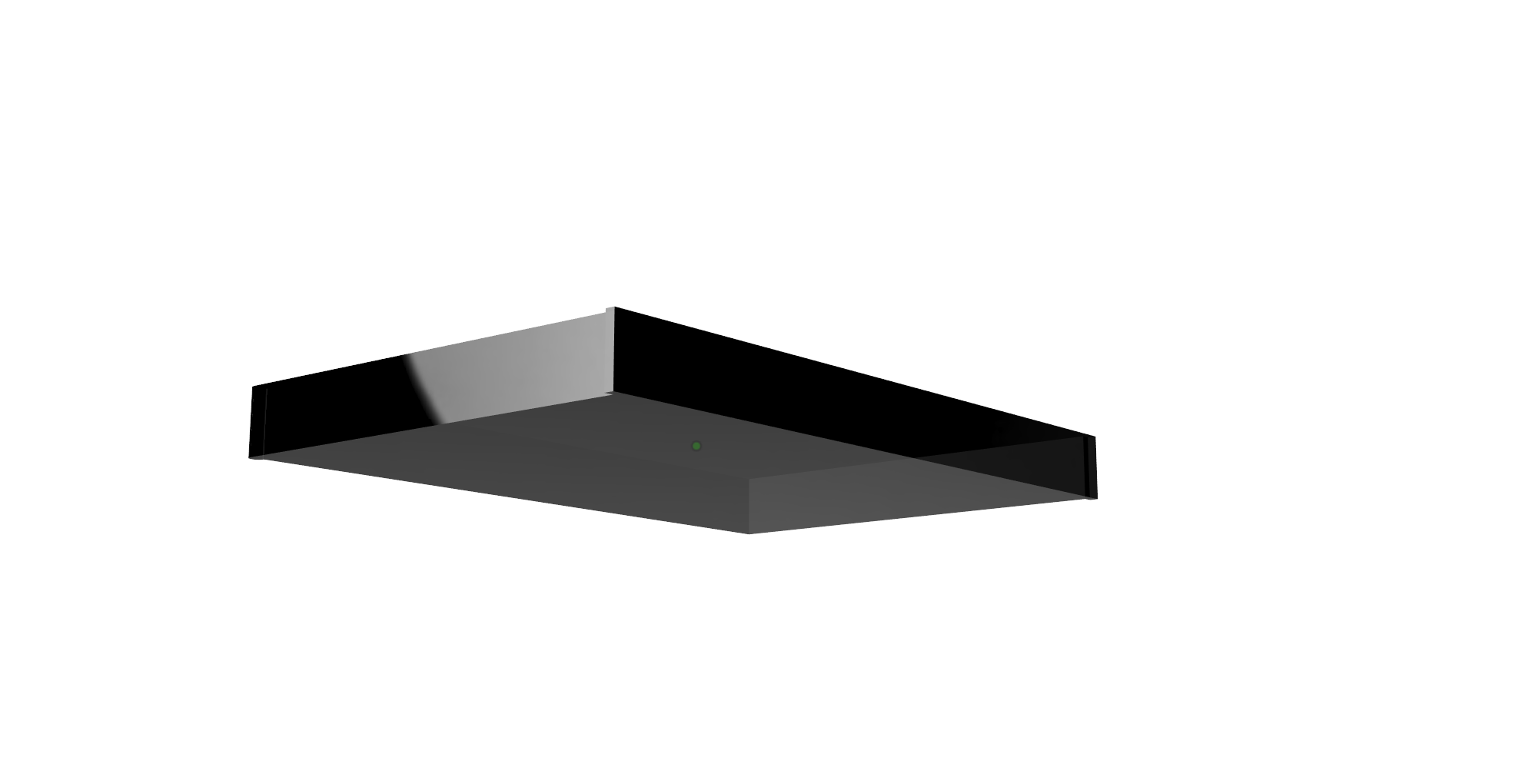
Once the mix is ready, Venue carries it into the gig: the audio file plays back at the recorded mix's level relationships, then the system helps translate that balance to the room.
06
Console Controls Everything
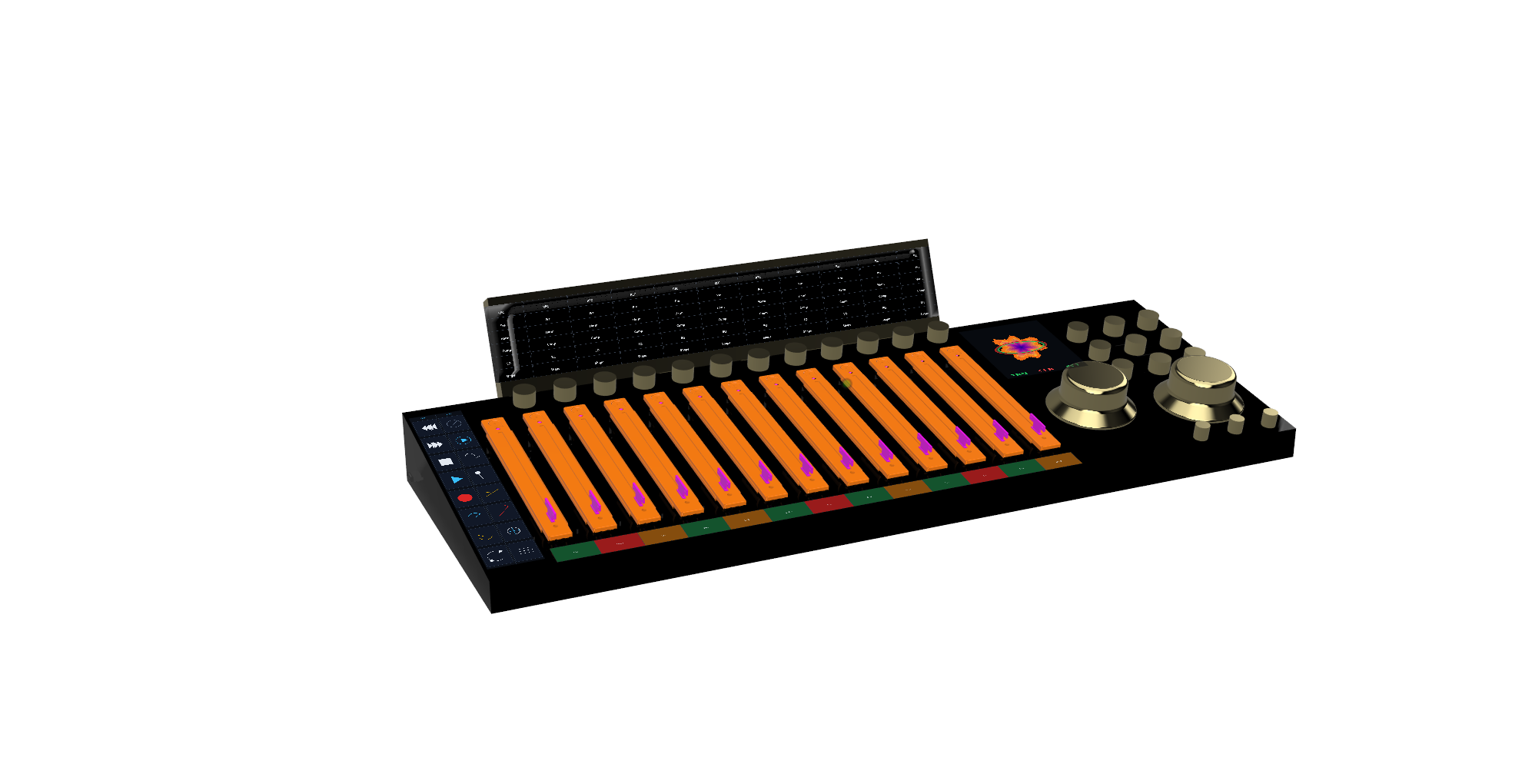
Console is the command surface across the whole ecosystem: rehearsal, studio recording, mix decisions, playback, and live gig operation all stay in one tactile language.
02 — Summary
What this is
GIG is a coherent recording, rehearsal, and live playback system with one mental model end-to-end: musician input,
processing, routing, monitoring, session control, playback, and venue translation.
03 — Product shape
Platform, not one box
The product ladder is clear: Cube for entry, Rig for daily musician use, Racks for premium rooms,
Venue for live translation, and Console as the tactile surface across all of it.
Entry
Cube makes the system approachable without forcing the full rack footprint.
Daily use
Rigs make each musician's input, monitor mix, playback, and session tools portable.
Premium
Racks carry the historic input cards, output print cards, and Tape Cylinder path.
Live
Venue brings the recorded mix balance into the room.
04 — Analog prototype thesis
Historic cards + Tape Cylinder
System Q's rack cards are not just preamp, EQ, and compressor modules. They are physical analog
recording-world cards. The input rack can capture through one historic path. The output rack can print
through another. Either side can hit the Tape Cylinder as a magnetic overload buffer.
Input path
Mic / instrument → historic input card → Tape Cylinder → A/D → DAW.
Output path
DAW / stems → historic output card → Tape Cylinder → print, monitor, or Venue.
Double-tape path
Capture through tape, then play back or print through tape again with a different output-card identity.
Magnetic buffer
Hot card output saturates physically before conversion, turning overload into compression and harmonic density.
The Tape Cylinder itself is a proposed clock-locked analog tape stage. Instead of pulling tape across fixed
heads, a 5-inch coated aluminum cylinder spins past erase, record, and repro heads at the surface speed of a
30ips tape machine.
30ips geometry
A 5-inch diameter gives a 15.7-inch circumference. At 114.6 RPM, the surface moves at 30 inches per second.
Historic capture cards
Abbey Road, Sausalito Record Plant/API, Zeppelin Mobile/Neve, Zappa UMRK/Harrison-Trident, and Scholz Basement-inspired paths.
Historic print cards
SSL bus, RCA New York Church, Les Paul Studio, Bill Putnam/United, Abbey Road, and Power Station-inspired output paths.
DAW recall
Motor lock, bias behavior, card identity, tape routing, and EQ settings are part of the System Q session model.
This should be treated as a prototype thesis, not a finished engineering claim. The coating thickness,
head geometry, erase behavior, noise floor, wear, and DAW sync-loop all need specialist validation.
05 — Strategic fit
Why start with Apogee
Apogee is not just another audio buyer. It already owns trust around premium interfaces,
conversion, and professional recording workflow. GIG should be judged first by people who
understand whether the sound and workflow story is serious.
The reason to start there is simple: GIG can be framed as an extension of Apogee's recording
credibility into a connected musician ecosystem. Bob Clearmountain is the access path because
he can pressure-test the architecture and may know whether it deserves the right Apogee conversation.
Credibility first
Start with people who can judge whether the recording workflow is serious.
Apogee fit
The system extends interface and conversion trust into a fuller musician environment.
Product ladder
The first conversation can focus on the wedge before the full ecosystem is built.
Bob path
Bob Clearmountain can judge the idea and potentially help route it if the architecture lands.
06 — Evidence
Review artifacts
Open these for the supporting visuals and product pages. They are not meant to replace the conversation.
Product story
The public-facing overview of GIG as one musician ecosystem.
Open landing
Console
The command surface that ties rehearsal, recording, mixing, and live playback together.
Open Console overview
Rig
The musician endpoint for input, IEM mix, talkback, playback, patches, and session tools.
Open Rig overview
Racks
The premium touchscreen rack path with swappable analog card modules.
Open Racks overview
07 — Strategic ask
What I am asking for
I am looking for a qualified strategic review with someone who can evaluate whether GIG is
credible enough for Apogee as an acquisition, licensing, partnership, or incubation conversation.
Review the architecture
Does the product family make sense as a platform?
Identify the wedge
Which first product should lead: Cube, Rig, Console, Racks, or Venue?
Assess transaction path
Would acquisition, licensing, partnership, or incubation fit best?
Start the right conversation
The goal is a serious Apogee-path review, not a public commitment.